When you’re planning a custom shed, it’s easy to focus on the size, style, doors, and windows. But there’s one feature that can make a big difference in how much storage space you get: a loft.
Adding a loft to your custom shed gives you extra room without taking up more space in your backyard. Instead of filling the entire floor with boxes, tools, and seasonal decorations, you can move some of those items overhead and keep the main area organized.
But is a loft really worth adding to your shed?
For many homeowners, the answer is yes. A loft can make your shed more practical, especially if you want to store more belongings without purchasing a larger building.
At TruPoint Backyard Buildings, we understand that every homeowner has different storage needs. Whether you’re looking for a simple backyard storage shed or a customized building with additional features, choosing the right layout can help you get more value from your investment.
Let’s explore the benefits of adding a loft to your custom shed, when it makes sense, and what you should consider before making your decision.
What Is a Loft in a Custom Shed?
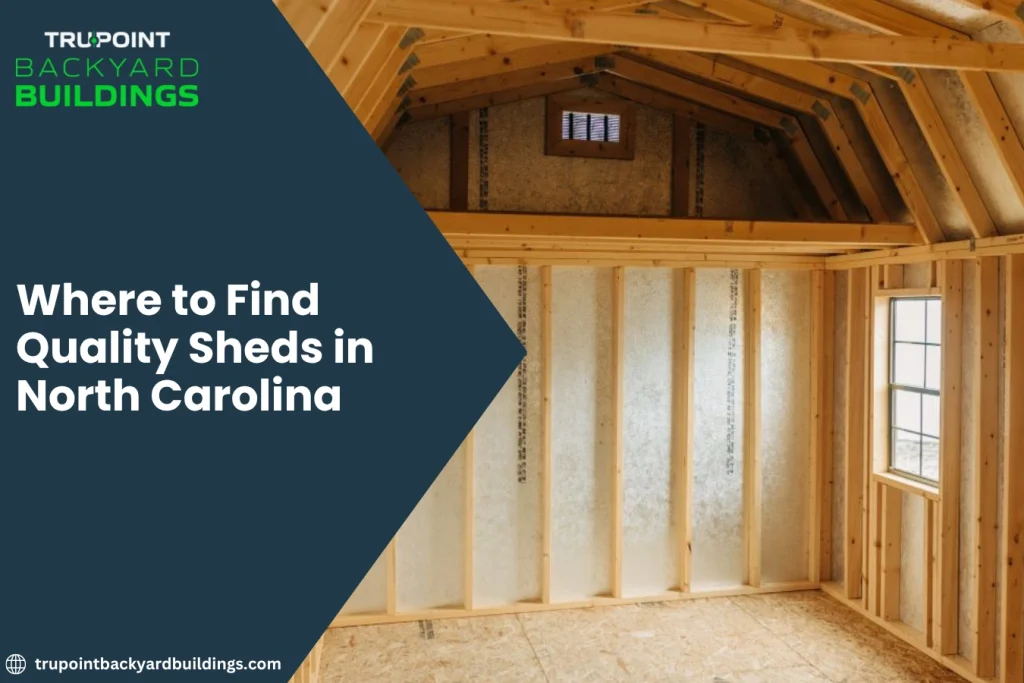
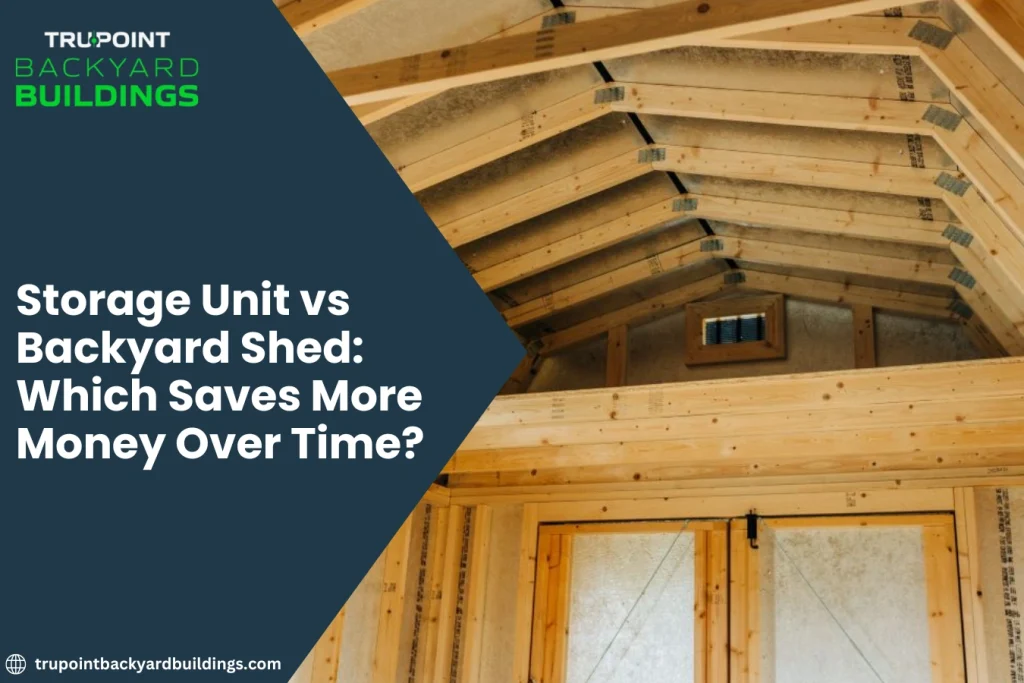
A loft is an elevated storage platform installed above part of the main floor inside a shed. It creates an additional storage area while leaving the space underneath available for other uses.
Think of it as an extra shelf, but much larger and built into the structure of your shed.
Most shed lofts are positioned near one or both ends of the building. Depending on the shed’s design, they can provide convenient storage for items you don’t need to access every day.
For example, you might use the main floor for your lawn mower, gardening equipment, and bicycles while keeping holiday decorations and camping supplies in the loft.
This arrangement helps separate your belongings and makes the shed feel less crowded.
However, not every shed design is suitable for a loft. The available ceiling height, roof style, and structural design all affect whether adding one is practical.
That’s why it’s important to consider your storage needs before finalizing your custom shed.
7 Benefits of Adding a Loft to Your Custom Shed
A loft might seem like a small addition, but it can completely change how you use your backyard building.
Here are seven reasons why homeowners choose to include loft storage in their custom sheds.
1. Get More Storage Space Without a Bigger Shed
One of the biggest advantages of adding a loft is that you can increase your usable storage space without expanding your shed’s footprint.
Let’s say you’re considering a 10×16 shed. That gives you 160 square feet of floor space.
If your shed design allows for a 4×10 loft, you could gain another 40 square feet of elevated storage.
That’s additional space for boxes, decorations, and other lightweight belongings without making your shed any wider or longer.
Of course, the exact amount of loft space depends on your building’s dimensions and design.
For homeowners with limited backyard space, this can be especially helpful.
Instead of purchasing a larger shed that takes up more of your property, you may be able to make better use of the building’s interior.
2. Keep Your Shed Organized and Clutter Free
Have you ever opened your storage shed only to find boxes stacked in front of the tools you actually need?
It’s a common problem.
Without a good storage system, even a spacious shed can become difficult to navigate.
A loft gives you a separate area for items that don’t need to stay on the main floor.
For example, you can organize your shed like this:
Main Floor Storage:
- Lawn mowers and gardening equipment
- Bicycles and outdoor toys
- Frequently used tools
- Wheelbarrows and other large equipment
- Everyday lawn care supplies
Loft Storage:
- Holiday decorations
- Empty storage containers
- Camping supplies
- Seasonal outdoor accessories
- Lightweight household items
By separating frequently used belongings from seasonal storage, you’ll spend less time searching for what you need.
You’ll also have more room to move around your shed comfortably.
3. Make Better Use of Vertical Space
When choosing a custom shed, homeowners often think about floor space first.
However, the height of your shed can be just as important.
A building with a taller roof may offer valuable overhead space that would otherwise remain unused.
Adding a loft allows you to take advantage of that height.
This is especially useful in shed designs with higher ceilings or roof styles that provide additional interior clearance.
Rather than letting the space above your head go to waste, you can turn it into a practical storage area.
Keep in mind that a loft should still leave enough headroom below for comfortable movement and storage.
The goal is to make your shed more functional, not make the main floor feel cramped.
4. Create More Room for Your Hobbies
A custom shed doesn’t have to be used only for storage.
Many homeowners want a backyard building that can serve multiple purposes.
You might need space for woodworking, gardening projects, crafting, or maintaining outdoor equipment.
The challenge is keeping those activities separate from stored belongings.
That’s where a loft can help.
By moving seasonal items overhead, you can free up valuable floor space for a workbench, shelving, or a small hobby area.
For example, imagine having a shed where you can work on gardening projects without constantly moving boxes out of the way.
A loft makes that type of arrangement easier to achieve.
Just remember that a storage loft is not automatically suitable for use as a workspace or living area. Those uses may require additional structural features, access, and local approvals.
5. Avoid Paying for More Floor Space Than You Need
A larger shed can be a great investment, but it isn’t always necessary.
If your main concern is finding space for lightweight seasonal belongings, adding a loft to a smaller shed may be a practical alternative.
For example, you might be deciding between a larger building and a smaller custom shed with overhead storage.
Depending on the available designs and pricing, the smaller shed with a loft could meet your needs while keeping more of your backyard open.
However, adding a loft also increases construction costs.
The most affordable choice depends on the building’s size, materials, loft dimensions, and other custom features.
Before making a decision, consider what you actually plan to store.
If most of your belongings are heavy or bulky, a larger floor area may be more useful.
But if you have plenty of lightweight items that can be stored overhead, a loft could be a smart way to maximize your budget.
6. Keep Seasonal Items Out of the Way
Some belongings are important to keep, but you only need them a few times each year.
Think about Christmas decorations, camping equipment, extra outdoor cushions, and seasonal supplies.
These items can take up a surprising amount of space.
And when they’re stored on the main floor, they often end up blocking access to other belongings.
A loft provides a convenient place to keep these items until you need them again.
You can organize everything into clearly labeled containers and arrange them by season.
For example, holiday decorations can stay in one section while camping supplies occupy another.
When the season changes, you’ll know exactly where to find your belongings.
This simple organization method can make your shed much easier to maintain throughout the year.
7. Make Your Custom Shed More Useful for Years to Come
Your storage needs today might look completely different a few years from now.
Maybe you’re planning to purchase more gardening equipment. Perhaps your family will need additional storage for bicycles, sports equipment, or outdoor furniture.
Adding a loft during the planning stage can give you extra flexibility as your needs change.
Even if you don’t need all the overhead storage immediately, having that space available could be useful later.
A thoughtfully designed shed can adapt to different storage needs over time.
Instead of constantly reorganizing an overcrowded building, you’ll have additional space to work with.
That’s one reason why it’s worth thinking beyond your current storage needs when designing a custom shed.
What Can You Store in a Shed Loft?
A shed loft works best for belongings that are relatively lightweight, easy to organize, and not needed every day.
Here are some practical storage ideas.
| Items | Why They’re Good for Loft Storage |
|---|---|
| Holiday decorations | Only needed during certain seasons |
| Camping equipment | Keeps occasional outdoor supplies organized |
| Empty storage bins | Frees up space on the main floor |
| Lightweight sports equipment | Keeps the floor clear |
| Seasonal decorations | Easy to separate and label |
| Extra outdoor accessories | Provides storage when items are not in use |
Before placing anything in your loft, make sure you understand its weight capacity.
Not all lofts are designed to support the same amount of weight.
Heavy machinery, large appliances, and other bulky items are generally better suited for the main floor.
It’s also important to consider how you’ll safely lift and retrieve your belongings.
A loft should make storage easier, not create unnecessary risks.
When Should You Add a Loft to Your Custom Shed?
Although lofts offer several benefits, they aren’t the perfect solution for every homeowner.
The best decision depends on how you plan to use your shed.
Add a Loft If You Have Lots of Seasonal Storage
If your garage or closets are filled with decorations, camping gear, and other items you rarely use, a loft can be an excellent addition.
You’ll have a dedicated place for these belongings without sacrificing valuable floor space.
Add a Loft If Your Backyard Has Limited Space
Not everyone has room for a large backyard building.
If you want to preserve space for outdoor activities, landscaping, or entertaining, a smaller shed with a loft may be worth considering.
It allows you to make better use of the available interior space.
Add a Loft If You Want a More Organized Workshop
If you’re planning to use part of your shed for hobbies or projects, overhead storage can help keep your working area clear.
You’ll have more room for tools, equipment, and activities while keeping less frequently used items out of the way.
Add a Loft If You’re Planning for Future Storage Needs
Even if you don’t need extra storage right now, a loft may become useful as your household grows or your interests change.
Including one during the initial design process may also be more convenient than trying to add it after construction.
When Might a Shed Without a Loft Be Better?
A loft is useful, but there are situations where keeping the interior open makes more sense.
For example, you might prefer a shed without a loft if:
- You primarily store tall equipment that needs additional vertical clearance.
- You frequently move large or heavy items in and out of the building.
- You want an open interior for a workshop or other activities.
- You prefer storage that doesn’t require climbing or lifting items overhead.
- Your shed’s roof design doesn’t provide enough room for practical loft storage.
If you mainly need space for a riding lawn mower, large shelving units, or tall gardening equipment, maximizing floor space and headroom may be more important.
The key is choosing a layout that matches how you’ll actually use your building.
What Should You Consider Before Adding a Loft?
Before deciding to include a loft in your custom shed, there are a few important details to think about.
Shed Size and Ceiling Height
The size of your shed affects how much loft space you can create.
A taller building may offer more room for overhead storage, while a smaller shed with limited ceiling height might not provide enough clearance.
Consider both the loft area and the space underneath it.
You should still be able to move comfortably around the main floor.
Roof Style
Different roof designs provide different amounts of interior space.
Some barn style roofs, for example, can offer additional overhead room that may work well for loft storage.
Other roof styles may have less usable space near the ceiling.
When exploring your options, think about how the roof design affects the interior layout, not just the appearance of the building.
Loft Weight Capacity
Safety should always be a priority.
A loft must be properly supported and designed for the weight of the items you plan to store.
Avoid assuming that an elevated platform can hold heavy equipment simply because it looks sturdy.
Ask about the intended storage capacity before using the loft.
Access to the Loft
How will you reach your stored belongings?
Depending on the design, you may need a ladder or another suitable access solution.
Think about how often you’ll use the loft and whether you can safely move items up and down.
If you expect to access your belongings frequently, convenience becomes especially important.
Your Budget
A loft is an additional feature, so it may affect the total cost of your custom shed.
The price depends on factors such as the loft size, structural requirements, and overall building design.
It’s worth comparing the cost of adding a loft with the cost of choosing a larger shed.
That way, you can decide which option provides the most practical storage for your budget.
Is It Better to Add a Loft Now or Later?
If you’re already planning to purchase a custom shed, it’s usually worth deciding whether you want a loft before the building is constructed.
Planning ahead allows the loft to be considered as part of the overall structure.
This can help ensure that the building has the appropriate support, ceiling clearance, and layout.
Adding a loft to an existing shed may be possible, but it depends on the structure.
Some sheds may require additional framing or reinforcement before they can safely support elevated storage.
That can make the project more complicated than including the feature in the original design.
If you think you’ll eventually need overhead storage, discussing the option early can help you avoid unnecessary changes later.
Loft vs. Larger Shed: Which Is the Better Choice?
One of the most common questions homeowners face is whether they should add a loft or simply purchase a bigger shed.
Both options have advantages.
| Feature | Shed With a Loft | Larger Shed Without a Loft |
|---|---|---|
| Backyard space | Maintains a smaller footprint | Requires more ground space |
| Storage layout | Uses floor and overhead areas | Focuses on floor storage |
| Seasonal items | Great for lightweight belongings | Can be stored on shelves or floor |
| Heavy equipment | Best kept on the main floor | More room for large equipment |
| Accessibility | Loft items require overhead access | Generally easier floor access |
| Flexibility | Separates different storage needs | Provides a more open interior |
If your storage needs involve mostly boxes, seasonal decorations, and lightweight equipment, a loft may be a great solution.
However, if you need room for large machinery, bulky furniture, or equipment that you use regularly, a larger shed may be more practical.
You can also explore a larger shed with a loft if you want both generous floor space and overhead storage.
Ultimately, the right choice depends on your available backyard space, budget, and storage goals.
How to Make the Most of Your Shed Loft
Once you’ve decided to include a loft, a little planning can help you use it more efficiently.
Here are some simple tips.
Use Lightweight Storage Containers
Choose containers that are easy to lift and move.
Avoid overfilling boxes, especially if you’ll need to carry them up a ladder.
Smaller containers may be more convenient than a few oversized ones.
Label Everything Clearly
Label each container so you know what’s inside without opening it.
You can also group items by category, such as holiday decorations, camping supplies, or seasonal accessories.
This saves time when you’re searching for something.
Keep Frequently Used Items on the Main Floor
Your loft should mainly hold belongings you don’t need every day.
Store frequently used tools and equipment where they’re easy to reach.
This makes your shed more convenient and reduces unnecessary trips to the loft.
Leave Enough Room for Safe Access
Avoid filling every inch of the loft with boxes.
Make sure you can safely reach your belongings without having to move unstable stacks of containers.
Always follow the loft’s stated weight limits and access recommendations.
Protect Items From Heat and Moisture
Shed lofts can experience temperature changes, particularly during warmer months.
Avoid storing heat sensitive belongings or items that could be damaged by humidity unless the building provides suitable conditions.
Use appropriate containers and consider ventilation when planning your shed.
Design a Custom Shed That Works for You With TruPoint Backyard Buildings
The best custom shed isn’t necessarily the biggest one. It’s the building that gives you the right amount of space for your needs.
At TruPoint Backyard Buildings, we want homeowners to feel confident when choosing a backyard building.
Whether you’re looking for a practical storage shed, a garage style building, or another backyard structure, our goal is to help you explore options that fit your property and how you plan to use the space.
When planning your custom shed, consider how much storage you need today and how those needs might change in the future.
A loft could be a valuable addition if you want to keep seasonal items organized while maintaining an open main floor.
If you’re interested in overhead storage, our team can help you explore the available building options and discuss whether a loft is suitable for your preferred design.
Explore Your Options With Our 3D Builder
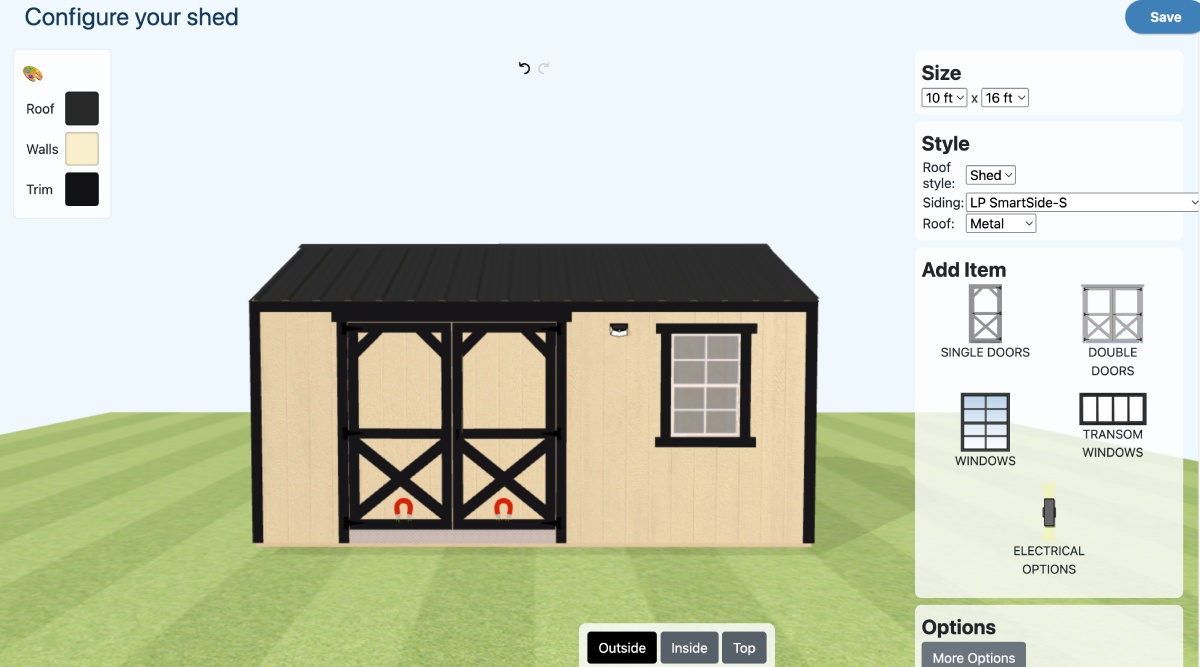
Still deciding what type of shed is right for your backyard?
Our 3D Builder gives you a convenient way to explore building designs and customize available features based on your preferences.
You can experiment with different building styles and layouts to get a better idea of what works for your property.
Whether you want a traditional storage shed or a different type of backyard building, the 3D Builder is a great place to start.
Feature availability varies by building model, so contact our team to confirm loft options and other custom details.
Final Thoughts: Is Adding a Loft to Your Custom Shed Worth It?
For many homeowners, adding a loft to a custom shed is a smart way to create extra storage without taking up more backyard space.
It helps keep seasonal belongings organized, frees up valuable floor space, and makes the building more flexible for future needs.
However, the right decision depends on what you plan to store.
If you need easy access to heavy equipment or prefer an open interior, a shed without a loft may be a better fit.
But if you’re looking for a practical way to maximize vertical storage, a loft is definitely worth considering.
The most important thing is choosing a custom shed that fits your lifestyle, your property, and your budget.
Ready to Find Your Perfect Custom Shed?
At TruPoint Backyard Buildings, we’re here to help you take the next step toward a more organized and functional backyard.
Whether you’re interested in adding a loft or exploring other custom building options, we’d love to help you find a solution that works for you.
Get a Quote: Ready to explore pricing for your new shed? Request a quote and let our team know what size, style, and features you’re considering.
Try Our 3D Builder: Want to explore different shed styles or other backyard buildings? Use our 3D Builder to visualize available options and find a design you love.
Contact Us: Have questions about loft storage, building sizes, or customization options? Contact TruPoint Backyard Buildings today. Our team will be happy to help you explore your choices.
Your ideal backyard shed starts with a thoughtful design. Let TruPoint Backyard Buildings help you make the most of your space.