
Choosing a shed is not just about size or style. Where you live and the climate conditions your shed will face every year play a huge role in how well it performs over time. A shed that works perfectly in one location may struggle in another if it is not designed with the right materials, construction methods, and layout.
Homeowners often focus on appearance or price first. Climate and location should come even earlier in the decision process. Rain, humidity, snow, wind, heat, soil conditions, and even sun exposure all influence how long your shed lasts and how useful it remains year after year.
At TruPoint Backyard Buildings, we design and build sheds with real world conditions in mind. Our goal is to help homeowners choose a shed that fits their property, holds up to local weather, and adds long term value. This guide will walk you through exactly how climate and location should influence your shed choice, and how to make the smartest decision for your backyard.
Why Climate and Location Matter More Than Most People Think
A shed is an outdoor structure that faces constant exposure. Unlike your home, it does not benefit from heating systems, insulation in every wall, or constant monitoring. Because of this, the environment around it has a direct impact on performance.
Climate affects:
Structural stability over time
Roof durability and drainage
Moisture control and ventilation
Material expansion and contraction
Long term maintenance needs
Location affects:
Ground stability and drainage
Sun exposure and heat buildup
Wind patterns and storm exposure
Access and usability year round
When climate and location are ignored, sheds often experience early wear, warped materials, water intrusion, and costly repairs. When they are considered early, the shed becomes a reliable and long lasting part of your property.
Understanding Your Local Climate Before Choosing a Shed
Before selecting a shed design, it helps to understand the primary climate conditions in your area. Most regions experience a mix of factors, but one or two usually dominate.
Areas With Heavy Rainfall
Frequent rain puts constant pressure on a shed roof, walls, and foundation. Water management becomes one of the most important considerations.
In rainy environments, sheds need:
Proper roof pitch to move water away efficiently
High quality roofing materials that resist leaks
Durable siding that does not absorb moisture
Elevated floor systems to prevent water pooling
Poor drainage or flat roof designs can lead to standing water, rot, and mold. TruPoint Backyard Buildings designs roof systems that promote efficient runoff and protect the structure below.
Humid Climates and Moisture Control
High humidity can be just as damaging as direct rainfall. Moist air can seep into a shed and cause long term issues.
In humid conditions, sheds should include:
Adequate ventilation to allow air movement
Materials that resist swelling and warping
Flooring systems that stay dry and stable
Doors and trim that remain aligned over time
Without proper airflow, moisture can build up inside the shed even when there is no rain. This can damage stored items and shorten the life of the structure.
Cold Regions With Snow and Ice
Snow adds weight and ice creates freeze and thaw cycles that test a shed’s durability. Roof strength becomes a top priority.
Sheds in snowy areas should feature:
Strong framing to support snow loads
Roof designs that allow snow to slide off
Durable materials that handle freezing temperatures
Secure doors that open easily in winter
A weak roof or poor framing can sag or fail under heavy snow. TruPoint sheds are built with solid construction practices that support long term use in colder climates.
Hot and Sunny Locations
Excessive heat and sun exposure can cause materials to fade, crack, or weaken over time.
In hot climates, sheds benefit from:
Light colored siding to reduce heat absorption
Proper ventilation to control interior temperatures
Materials that resist sun damage
Thoughtful placement to reduce direct exposure
Heat buildup can make a shed uncomfortable to use and harmful to stored equipment. Smart design choices help keep interior conditions manageable.
Windy Areas and Storm Exposure
Strong winds place stress on shed walls, roofs, and anchoring systems. In open areas or regions prone to storms, wind resistance matters.
Key features for windy locations include:
Solid framing connections
Secure roof attachment methods
Proper anchoring to the ground
Durable doors and hardware
A well built shed stays stable and secure even during severe weather events.
How Your Property Location Influences Shed Performance
Climate is only part of the equation. The exact location of your shed on your property also plays a major role in how it performs.
Ground Conditions and Drainage
The soil beneath your shed affects its stability. Poor drainage can cause water to collect under the structure, leading to moisture problems and shifting over time.
When choosing a shed location, consider:
Whether water flows toward or away from the area
Soil firmness and compaction
Slope and elevation
Long term erosion risks
A properly prepared site helps your shed stay level and dry. TruPoint Backyard Buildings provides guidance to ensure your shed is placed on a solid foundation.
Sun Exposure and Shade
Where the sun hits your shed throughout the day affects temperature, material wear, and usability.
Sun exposure impacts:
Interior heat levels
Paint and siding longevity
Comfort during use
Snow and ice melting patterns
Placing a shed with balanced sun exposure can reduce heat stress in summer while still allowing snow to melt in winter.
Proximity to Trees and Vegetation
Trees provide shade but also introduce risks like falling branches, leaf buildup, and increased moisture.
If placing a shed near trees, think about:
Branch clearance above the roof
Leaf accumulation on roofing
Increased humidity near shaded areas
Root systems that could affect the foundation
Smart placement minimizes these risks while still taking advantage of natural shade when appropriate.
Accessibility and Daily Use
A shed should be easy to access in all seasons. Location affects how often and how comfortably it can be used.
Consider:
Pathways during rain or snow
Door orientation relative to walkways
Space for opening doors fully
Distance from the house or driveway
A well placed shed adds convenience rather than frustration.
Choosing the Right Shed Materials for Your Climate
Materials matter more than many homeowners realize. The wrong choice can lead to frequent maintenance or early replacement.
Wood Sheds and Climate Compatibility
Wood offers a classic look and strong performance when properly built.
Wood sheds perform best when:
Quality lumber is used
Proper sealing and finishing are applied
Design allows for airflow and drainage
TruPoint Backyard Buildings uses construction methods that help wood structures perform reliably across a range of climates.
Roofing Materials and Weather Resistance
The roof is your shed’s first line of defense.
A climate appropriate roof should:
Shed water efficiently
Handle snow load if needed
Resist sun damage
Stay secure during high winds
Roof design and material choice are critical to long term durability.
Flooring Systems and Moisture Protection
The floor supports everything inside the shed and is often overlooked.
In all climates, floors should:
Stay elevated from ground moisture
Remain level and stable
Support heavy equipment
Resist long term wear
A strong floor protects both the structure and your stored belongings.
Shed Design Features That Adapt to Climate and Location
Beyond materials, design features play a major role in how well a shed handles environmental conditions.
Roof Style and Pitch
Roof shape affects water runoff, snow accumulation, and overall durability.
Higher pitch roofs:
Move water away faster
Reduce snow buildup
Improve long term performance
Designing the right roof style for your climate helps prevent future problems.
Ventilation and Airflow
Ventilation is essential in nearly every climate.
Proper airflow helps:
Reduce moisture buildup
Control temperature
Protect stored items
Extend material life
Well ventilated sheds stay healthier inside.
Door Placement and Size
Door orientation affects usability and weather exposure.
Good door design considers:
Wind direction
Rain exposure
Ease of access
Interior layout
A thoughtfully designed entry makes daily use easier and more comfortable.
Why Customization Matters for Climate Specific Sheds
No two properties are exactly alike. Customization allows your shed to match both your climate and your location.
Custom options can include:
Adjusted roof pitch
Specific door placement
Window positioning for airflow
Interior layout for seasonal use
This is where TruPoint Backyard Buildings stands out. We focus on building sheds that fit your needs, not forcing you into a one size solution.
Use the TruPoint 3D Shed Builder to Design for Your Location
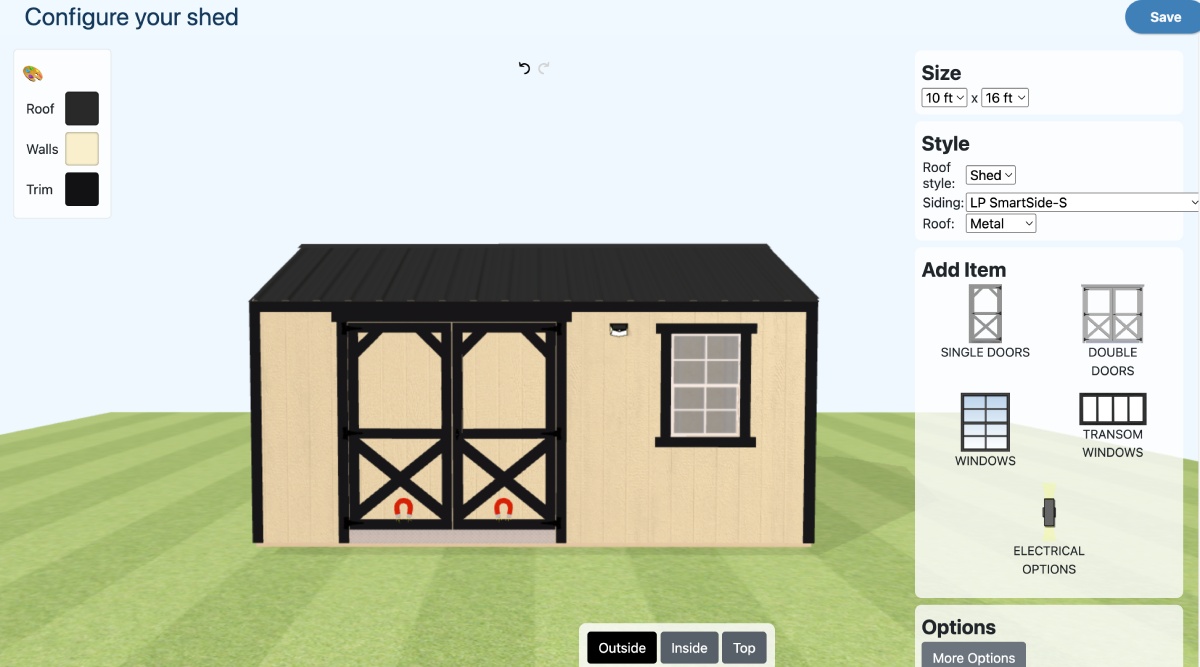
One of the easiest ways to ensure your shed fits your climate and property is to visualize it before it is built.
With the TruPoint 3D Shed Builder Tool, you can:
Choose the right size for your space
Adjust roof styles and layouts
Explore design options that suit your environment
See how your shed will look before committing
This tool helps you make confident decisions while tailoring your shed to your exact needs. It is a powerful first step toward a shed that performs well for years to come.
Why TruPoint Backyard Buildings Is the Right Choice
At TruPoint Backyard Buildings, we understand that climate and location are not afterthoughts. They are part of the foundation of a great shed.
What sets us apart:
Structures designed with real world conditions in mind
Quality materials and solid construction
Customization options that match your property
A team that helps you choose wisely
Our goal is not just to sell a shed, but to help you invest in a structure that truly works for your lifestyle and environment.
Ready to Choose the Right Shed for Your Climate
Your shed should work with your climate, not against it. By understanding how weather, location, and design choices interact, you can avoid common mistakes and enjoy a structure that lasts.
If you are ready to start planning, we are here to help.
Explore the TruPoint 3D Shed Builder Tool today to design a shed that fits your climate and property perfectly.
Or contact TruPoint Backyard Buildings to speak with our team and get expert guidance on choosing the right shed for your location.
A well chosen shed is not just storage. It is peace of mind, long term value, and a smarter use of your backyard.