
If you are planning to add a shed to your backyard, one of the first questions that usually comes up is this: can you place a shed directly on grass?
It sounds simple, and honestly, it can be tempting. Grass is already there, it feels level enough, and skipping the extra work of building a base can save time and money. But before you go that route, it is important to understand what really happens when a shed sits directly on grass.
In this guide, we will walk you through everything you need to know in a clear and practical way. By the end, you will feel confident about making the right decision for your shed, your budget, and your long term plans.
The Short Answer
Yes, you can put a shed directly on grass.
But in most cases, it is not recommended.
While it may work for a very short time, placing a shed directly on grass often leads to problems that can cost more to fix later. If you are investing in a quality shed, you want it to last for years, not just months.
Why People Consider Putting a Shed on Grass
Before we get into the downsides, let us talk about why this idea is so common.
Many homeowners think about placing a shed directly on grass because:
- It is quick and easy
- It requires no construction skills
- It keeps initial costs low
- The yard already looks level
- It feels like a temporary solution
All of these reasons make sense. If you are trying to get a shed up fast, it feels like the simplest option. But simplicity at the start can lead to bigger issues later.
What Happens When You Put a Shed on Grass
At first, everything might seem fine. The shed looks good, it stands upright, and it serves its purpose.
Over time, though, several issues begin to show.
1. The Ground Is Not Stable
Grass sits on top of soil, and soil shifts.
Rain, moisture, and even normal use can cause the ground to move. As the soil settles unevenly, your shed can start to tilt. Doors may stop closing properly. Windows can become misaligned.
Even a small shift can create long term structural problems.
2. Moisture Becomes a Big Problem
Grass holds moisture. That moisture transfers to the base of your shed.
This can lead to:
- Rot in wooden sheds
- Mold growth
- Rust in metal components
- Warping in flooring
Even if your shed is high quality, constant exposure to moisture from below can shorten its lifespan.
3. Poor Drainage
When it rains, water needs somewhere to go.
Grass alone does not provide proper drainage. Water can collect under your shed, creating a damp environment that encourages damage over time.
4. Pest Issues
Placing a shed directly on grass creates an inviting environment for pests.
You may deal with:
- Insects nesting under the shed
- Rodents using the space as shelter
- Termites or ants affecting wooden structures
A proper base helps reduce these risks significantly.
5. Uneven Settling
Even if your yard looks flat, it is rarely perfectly level.
Over time, parts of the shed may sink more than others. This can cause:
- Cracks in the structure
- Warped flooring
- Stress on joints and fasteners
When Is It Okay to Place a Shed on Grass?
There are a few situations where placing a shed directly on grass may be acceptable.
These include:
- Temporary sheds
- Lightweight storage units
- Short term use
- Very small sheds with minimal weight
If you are using a shed for a limited time and do not mind replacing or adjusting it later, this option might work.
However, if you are investing in a durable and well built shed, it is worth doing things the right way from the beginning.
The Better Option: A Proper Shed Base
A solid foundation makes a big difference in how your shed performs over time.
Here are some popular base options that work much better than grass.
1. Gravel Base
A gravel base is one of the most popular choices.
Benefits include:
- Excellent drainage
- Strong and stable support
- Affordable and easy to install
- Reduces moisture issues
This option works well for most sheds and provides a reliable foundation.
2. Concrete Slab
A concrete base offers maximum durability.
Benefits include:
- Extremely strong and long lasting
- Provides a level surface
- Ideal for larger or heavier sheds
This option requires more effort and cost upfront but delivers long term value.
3. Wooden Frame Base
A wooden frame filled with gravel or blocks can also work well.
Benefits include:
- Flexible and customizable
- Easier to install than concrete
- Provides elevation from the ground
4. Paver Base
Using paving stones is another great option.
Benefits include:
- Clean and attractive look
- Good support when installed correctly
- Suitable for medium sized sheds
Why a Proper Base Matters More Than You Think
It is easy to focus on the shed itself. The design, size, and features often take center stage.
But the base is just as important.
A good foundation helps:
- Extend the life of your shed
- Keep it level and stable
- Protect it from moisture and pests
- Maintain its appearance
- Reduce maintenance costs
Think of it as protecting your investment.
Planning Your Shed the Right Way
Before you install your shed, take a moment to plan everything carefully.
Ask yourself:
- How long do I want this shed to last?
- What will I store inside?
- How large will the shed be?
- What is my budget for preparation?
Taking the time to plan will help you avoid costly mistakes later.
Choosing the Right Shed for Your Needs
Not all sheds are created equal.
At TruPoint Backyard Buildings, we focus on creating sheds that are built to last, designed to fit your space, and customized to your needs.
Whether you need extra storage, a workshop, or a backyard retreat, choosing the right shed is just as important as choosing the right base.
Design Your Shed Your Way
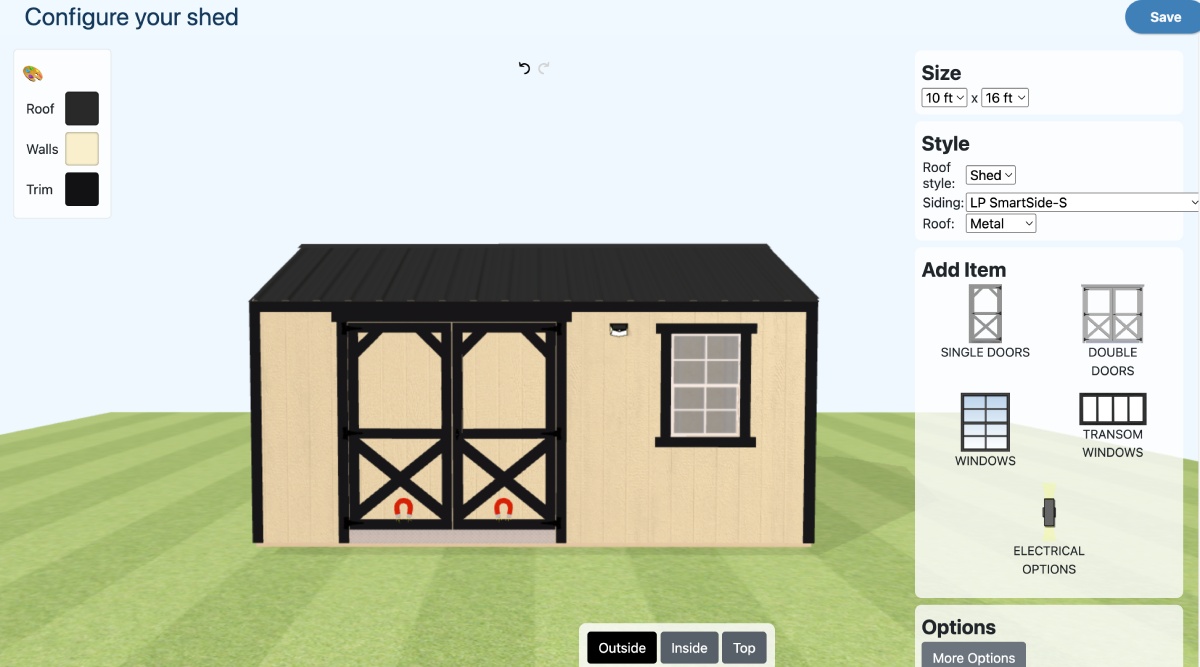
One of the easiest ways to make sure your shed fits your vision is to design it yourself.
With our 3D Shed Builder Tool, you can:
- Choose your shed size
- Select colors and materials
- Customize doors and windows
- Visualize your shed in real time
This tool makes the process simple and helps you feel confident before you commit.
If you are still exploring ideas, this is a great place to start.
Common Mistakes to Avoid
When planning your shed, here are a few mistakes to watch out for:
- Skipping the foundation to save time
- Underestimating the weight of the shed
- Ignoring drainage
- Placing the shed in a low area
- Not checking for level ground
Avoiding these mistakes can save you a lot of time and money.
How TruPoint Backyard Buildings Can Help
At TruPoint Backyard Buildings, we understand that buying a shed is more than just adding storage. It is about creating something useful, durable, and tailored to your lifestyle.
We help you:
- Choose the right shed for your needs
- Customize your design with ease
- Understand the best setup for your space
- Feel confident in your investment
Our goal is to make the entire process simple, clear, and enjoyable.
Final Thoughts
So, can you put a shed directly on grass?
Yes, but it is not the best choice if you want your shed to last.
A proper base provides stability, protects your shed from damage, and ensures it performs well for years to come.
If you are planning to invest in a quality shed, taking the extra step to prepare a solid foundation is always worth it.
Ready to Get Started?
If you are thinking about adding a shed to your backyard, now is the perfect time to start planning.
Use our 3D Shed Builder Tool to design your ideal shed and see your ideas come to life.
If you have questions or need guidance, our team is here to help. Contact us today and let us help you create the perfect shed for your space.